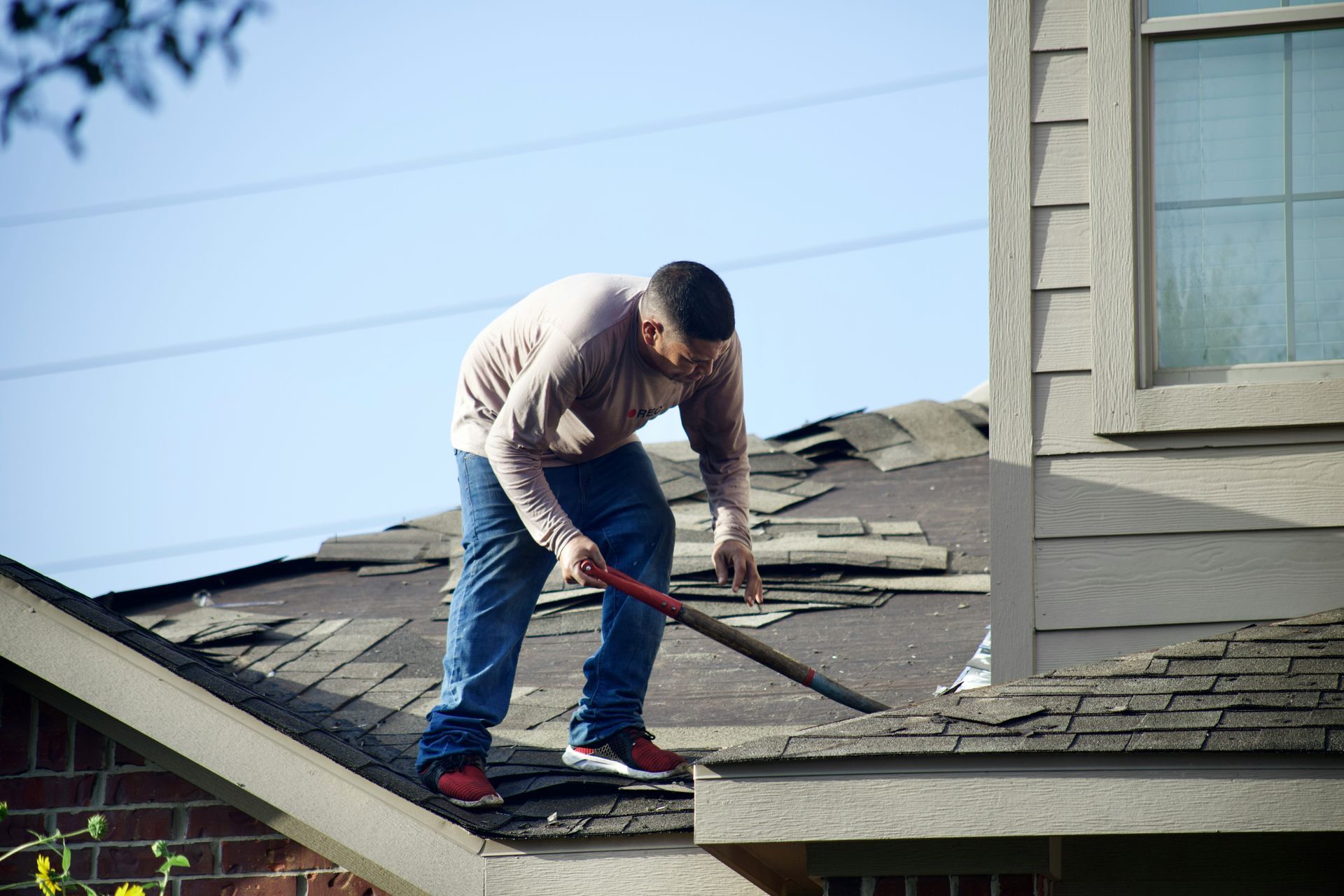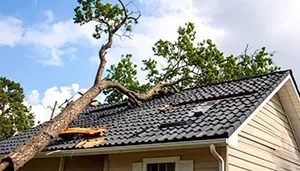

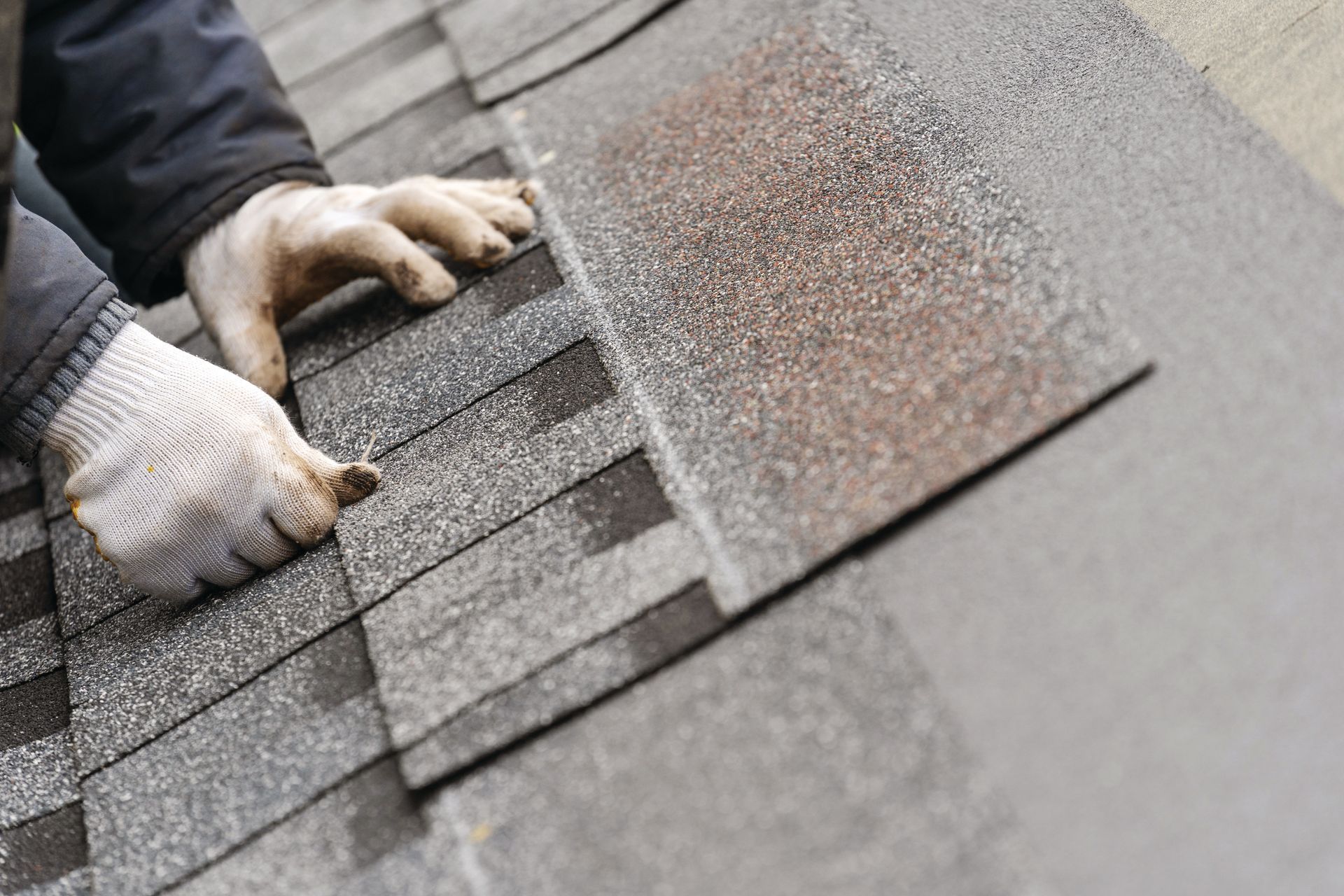
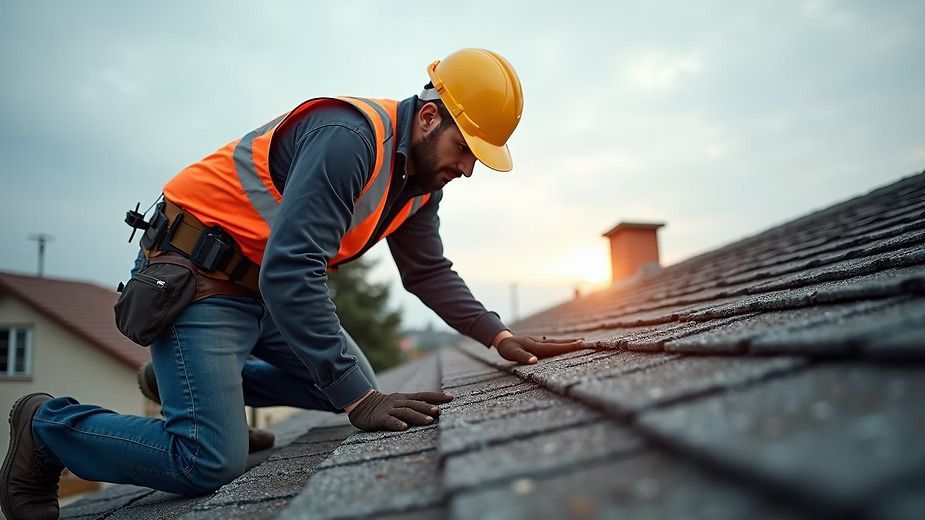
When it comes to maintaining your home, the roof is one of the most critical components. A well-maintained roof protects your home from the elements, enhances its curb appeal, and can even increase its value. In Charlotte, where weather can be unpredictable, having expert roof repair and replacement services is essential. This blog post will guide you through the importance of roof maintenance, signs that you need repairs, and how to choose the right professionals for the job. The Importance of Roof Maintenance Regular roof maintenance is crucial for several reasons. First, it helps to identify potential issues before they become major problems. A small leak can lead to significant water damage if not addressed promptly. Second, a well-maintained roof can improve your home's energy efficiency. If your roof is in poor condition, it may allow air to escape, causing your heating and cooling systems to work harder. This can lead to higher energy bills. Lastly, maintaining your roof can extend its lifespan. Most roofs last between 20 to 30 years, but regular inspections and repairs can help you get the most out of your investment. Signs You Need Roof Repairs Knowing when to call for roof repairs can save you time and money. Here are some common signs that indicate your roof may need attention: • Missing or Damaged Shingles: If you notice shingles that are cracked, curled, or missing, it is time to call a professional. • Leaks: Water stains on your ceiling or walls are a clear sign of a roof leak. • Granules in Gutters: If you find shingle granules in your gutters, it may indicate that your roof is deteriorating. • Sagging Roof: A sagging roof can be a sign of structural issues. • Moss or Algae Growth: While not always a sign of damage, excessive moss or algae can indicate moisture retention, which can lead to roof decay. Choosing the Right Roofing Professionals When it comes to roof repair and replacement, choosing the right professionals is essential. Here are some tips to help you make the best choice: 1. Check Credentials: Ensure the roofing company is licensed and insured. This protects you from liability in case of accidents. 2. Read Reviews: Look for customer reviews online. Websites like Google and Yelp can provide insights into the company's reputation. 3. Get Multiple Quotes: Don’t settle for the first quote you receive. Getting multiple estimates can help you understand the market rate and find the best deal. 4. Ask About Warranties: A good roofing company should offer warranties on both materials and labor. This shows they stand behind their work. 5. Experience Matters: Choose a company with a proven track record in the Charlotte area. Local companies will understand the specific challenges posed by the climate. The Roof Repair Process Understanding the roof repair process can help you feel more comfortable when hiring a professional. Here’s a general overview of what to expect: 1. Inspection: A roofing expert will inspect your roof to assess the damage and determine the best course of action. 2. Estimate: After the inspection, you will receive an estimate detailing the costs involved in the repair. 3. Repair Work: Once you approve the estimate, the repair work will begin. This may involve replacing shingles, sealing leaks, or addressing structural issues. 4. Final Inspection: After the repairs are completed, a final inspection will ensure everything is up to standard. 5. Clean-Up: A reputable roofing company will clean up the work area, removing any debris or materials used during the repair. Roof Replacement: When Is It Necessary? Sometimes, repairs are not enough, and a full roof replacement is necessary. Here are some situations where replacement may be the best option: • Age of the Roof: If your roof is nearing the end of its lifespan, it may be more cost-effective to replace it rather than continue making repairs. • Extensive Damage: If your roof has significant damage from storms or leaks, replacement may be the only option. • Upgrading Materials: If you want to upgrade to more durable materials, a replacement may be necessary. • Increased Energy Efficiency: New roofing materials can improve your home’s energy efficiency, saving you money in the long run. Benefits of Roof Replacement Investing in a new roof can offer several benefits: • Enhanced Curb Appeal: A new roof can significantly improve the look of your home. • Increased Home Value: A new roof can increase your home’s resale value, making it a smart investment. • Improved Energy Efficiency: New roofing materials can help keep your home cooler in the summer and warmer in the winter. • Peace of Mind: Knowing that your roof is new and in good condition can provide peace of mind. Common Roofing Materials When it comes to roof replacement, there are several materials to choose from. Here are some of the most common options: • Asphalt Shingles: These are the most popular roofing material due to their affordability and ease of installation. • Metal Roofing: Metal roofs are durable and can last up to 50 years. They are also energy-efficient. • Tile Roofing: Tile roofs are known for their longevity and aesthetic appeal. They can withstand harsh weather conditions. • Slate Roofing: Slate is a premium roofing material that offers a unique look and exceptional durability. Preparing for Roof Work If you decide to go ahead with roof repairs or replacement, there are a few steps you can take to prepare: • Clear the Area: Remove any outdoor furniture or decorations from around your home to give the workers space to operate. • Inform Your Neighbors: Let your neighbors know about the upcoming work, especially if it may cause noise or disruption. • Secure Pets: Keep pets indoors or in a secure area to ensure their safety during the work. • Plan for Weather: Check the weather forecast and plan accordingly. If rain is expected, it may delay the work. Maintaining Your New Roof Once you have a new roof, it is essential to maintain it properly. Here are some tips for keeping your roof in top condition: • Regular Inspections: Schedule regular inspections to catch any potential issues early. • Clean Gutters: Keep your gutters clean to prevent water damage. • Trim Overhanging Branches: Trim any branches that may hang over your roof to prevent damage during storms. • Remove Debris: Regularly remove leaves and debris from your roof to prevent mold and algae growth. Final Thoughts Investing in expert roof repair and replacement services in Charlotte is essential for maintaining the integrity of your home. By understanding the importance of roof maintenance, recognizing the signs of damage, and choosing the right professionals, you can ensure your roof remains in excellent condition for years to come. Whether you need a simple repair or a complete roof replacement, taking the time to do your research will pay off in the long run. Your home deserves the best, and a strong, reliable roof is a key part of that.
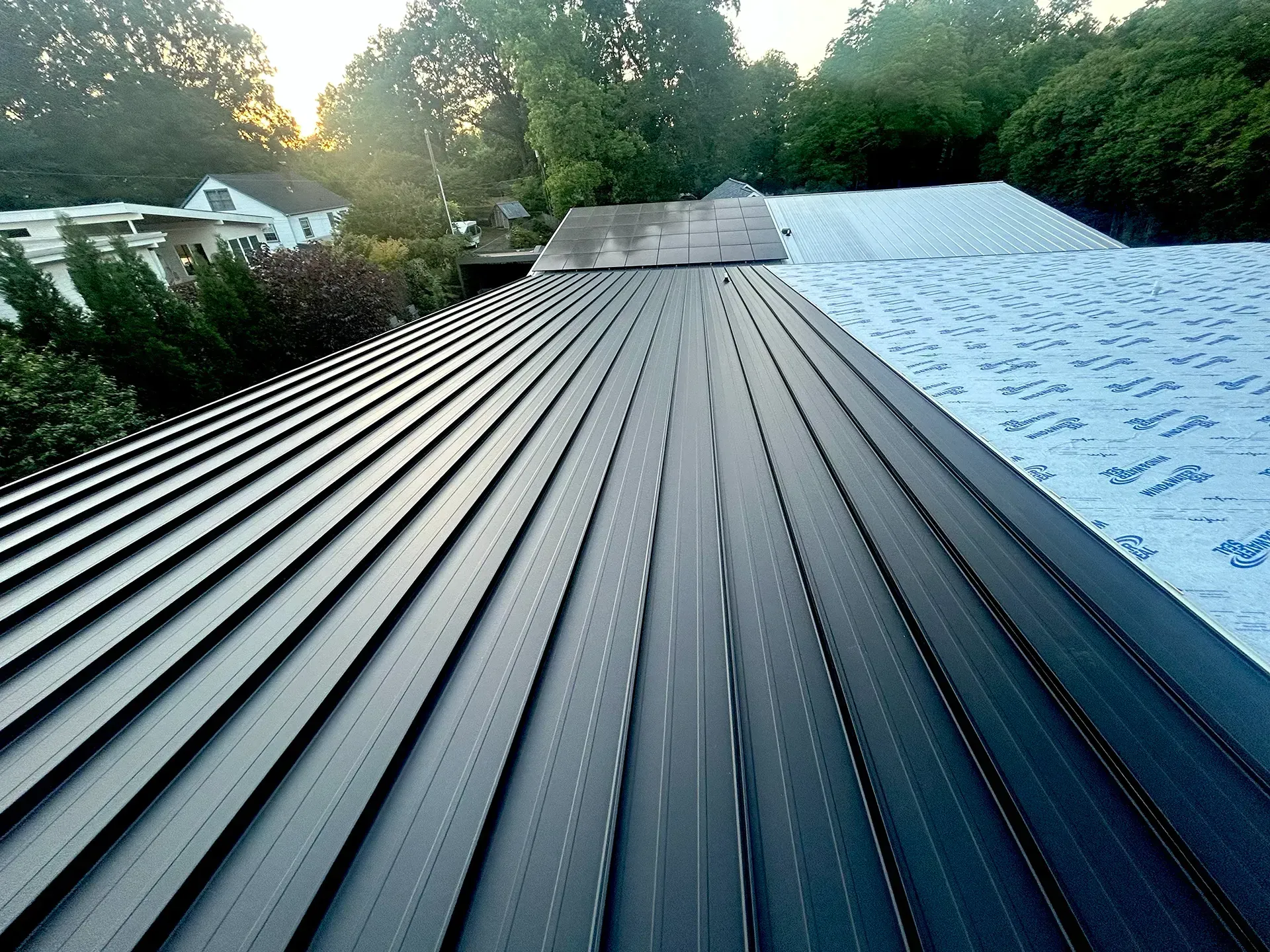
When it comes to managing a commercial property, the roof is often overlooked. However, a well-maintained roof is crucial for protecting your investment. It shields your building from the elements, enhances energy efficiency, and contributes to the overall aesthetic appeal. In this blog post, we will explore the various roofing services available for commercial properties, helping you understand what you need to keep your roof in top shape. Understanding Commercial Roofing Commercial roofing differs significantly from residential roofing. The materials, installation techniques, and maintenance requirements can vary widely. Commercial roofs are typically flat or low-slope, which presents unique challenges. Understanding these differences is essential for property owners and managers. Types of Commercial Roofing Systems There are several types of roofing systems suitable for commercial properties. Each has its advantages and disadvantages. Here are some of the most common types: 1. Built-Up Roofing (BUR): This traditional roofing system consists of multiple layers of bitumen and reinforcing fabrics. It is durable and provides excellent waterproofing. 2. Modified Bitumen: This is an evolution of BUR, featuring a single-ply membrane that is easy to install. It is ideal for low-slope roofs and offers good resistance to UV rays. 3. EPDM (Ethylene Propylene Diene Monomer): This synthetic rubber roofing is popular for its durability and weather resistance. It is lightweight and easy to install. 4. TPO (Thermoplastic Olefin): TPO is a single-ply roofing membrane that is energy-efficient and cost-effective. It reflects sunlight, helping to reduce cooling costs. 5. Metal Roofing: Metal roofs are known for their longevity and durability. They can withstand harsh weather conditions and are available in various styles and colors. Importance of Regular Maintenance Regular maintenance is key to extending the life of your commercial roof. Neglecting maintenance can lead to costly repairs down the line. Here are some reasons why regular inspections and maintenance are essential: • Early Detection of Issues: Regular inspections can help identify problems before they escalate. Small leaks can turn into significant issues if not addressed promptly. • Increased Lifespan: A well-maintained roof can last significantly longer than one that is neglected. Regular maintenance can add years to your roof's lifespan. • Energy Efficiency: A well-maintained roof can improve energy efficiency. Proper insulation and sealing can reduce heating and cooling costs. • Compliance with Regulations: Many commercial properties must adhere to specific building codes and regulations. Regular maintenance ensures compliance and avoids potential fines. Choosing the Right Roofing Contractor Selecting the right roofing contractor is crucial for the success of your roofing project. Here are some tips to help you make the right choice: 1. Check Credentials: Ensure the contractor is licensed and insured. This protects you from liability in case of accidents. 2. Experience Matters: Look for a contractor with experience in commercial roofing. They will be familiar with the unique challenges and requirements. 3. Read Reviews: Check online reviews and testimonials. This can give you insight into the contractor's reputation and quality of work. 4. Get Multiple Quotes: Don’t settle for the first quote you receive. Getting multiple quotes can help you understand the market rate and find the best deal. 5. Ask for References: A reputable contractor should be willing to provide references from previous clients. Contact these references to ask about their experience. Common Roofing Problems Understanding common roofing problems can help you identify issues early. Here are some frequent problems faced by commercial roofs: • Leaks: One of the most common issues, leaks can occur due to damaged membranes, poor installation, or wear and tear. • Ponding Water: Flat roofs are prone to ponding water, which can lead to leaks and structural damage. • Blistering: This occurs when air or moisture gets trapped under the roofing material, causing bubbles to form. • Shrinkage: Some roofing materials can shrink over time, leading to cracks and gaps. • Debris Accumulation: Leaves, dirt, and other debris can accumulate on the roof, leading to drainage issues and potential damage. Roofing Services Offered A comprehensive roofing service should cover a range of needs. Here are some essential services to look for: Roof Inspections Regular roof inspections are vital for identifying potential issues. A professional inspection can help you understand the condition of your roof and recommend necessary repairs. Roof Repairs If your roof has sustained damage, timely repairs are essential. Common repairs include fixing leaks, replacing damaged shingles, and sealing gaps. Roof Replacement When repairs are no longer viable, a roof replacement may be necessary. This is a significant investment, so it is crucial to choose the right materials and contractor. Roof Maintenance Regular maintenance services can help extend the life of your roof. This includes cleaning gutters, removing debris, and checking for signs of wear. Emergency Services Roofing emergencies can happen at any time. Look for a contractor that offers emergency services to address urgent issues quickly. The Benefits of Professional Roofing Services Investing in professional roofing services offers numerous benefits. Here are some key advantages: • Expertise: Professional contractors have the knowledge and experience to handle various roofing issues effectively. • Quality Materials: Reputable contractors use high-quality materials that ensure durability and longevity. • Safety: Roofing can be dangerous work. Professionals are trained to work safely and have the necessary equipment. • Warranty: Many professional services offer warranties on their work, providing peace of mind. • Time-Saving: Hiring professionals allows you to focus on your business while they handle the roofing tasks. Energy Efficiency and Sustainability In today's world, energy efficiency and sustainability are more important than ever. Many commercial roofing options are designed to be energy-efficient. Here are some ways roofing services can contribute to sustainability: • Reflective Roofing Materials: These materials reflect sunlight, reducing heat absorption and lowering cooling costs. • Green Roofs: Installing a green roof can improve insulation and reduce stormwater runoff. • Recyclable Materials: Many modern roofing materials are recyclable, reducing waste in landfills. • Energy-Efficient Insulation: Proper insulation can significantly reduce energy consumption, leading to lower utility bills. The Future of Commercial Roofing As technology advances, the future of commercial roofing looks promising. Here are some trends to watch: • Smart Roofing Systems: These systems use sensors to monitor roof conditions and alert property owners to potential issues. • Sustainable Materials: The demand for eco-friendly roofing materials is on the rise, leading to more options for property owners. • Drones for Inspections: Drones are becoming increasingly popular for roof inspections, providing a safe and efficient way to assess roof conditions. • Advanced Coatings: New coating technologies can enhance durability and energy efficiency, extending the life of commercial roofs. Final Thoughts Investing in comprehensive roofing services for your commercial property is essential for protecting your investment. From regular maintenance to emergency repairs, understanding your options can help you make informed decisions. By choosing the right contractor and staying proactive about your roof's condition, you can ensure that your commercial property remains safe and efficient for years to come.